
How to Grow Broccoli from Seeds: A Comprehensive Guide
Introduction
In this guide, I will share my expertise on growing broccoli from seeds. Broccoli is a nutrient-rich vegetable packed with vitamins and minerals, making it a valuable addition to any garden. By following these step-by-step instructions and incorporating personal experiences and tips, you’ll be well-equipped to cultivate healthy broccoli plants in your own garden.
Getting Started
Selecting Seeds
Choosing high-quality broccoli seeds is the first step towards successful cultivation. Look for reputable seed suppliers or nurseries that offer certified organic seeds. Varieties such as ‘Calabrese’ or ‘De Cicco’ are popular choices for home gardeners due to their reliability and flavor.
Planning and Preparation
Before sowing seeds, it’s essential to plan your garden layout. Broccoli thrives in well-drained, fertile soil with full sun exposure. Prepare the soil by loosening it with a garden fork or tiller and incorporating organic matter such as compost or aged manure to improve soil structure and fertility.
Sowing Seeds
Timing
Broccoli is a cool-season crop, so timing is crucial. Sow seeds indoors 6-8 weeks before the last expected frost date in your area. Alternatively, you can directly sow seeds outdoors in early spring or late summer for a fall harvest.
Seed Starting
Fill seed trays or small pots with a high-quality seed starting mix. Plant broccoli seeds approximately ¼ inch deep and water gently to ensure good seed-to-soil contact. Place the trays in a warm, sunny location or under grow lights to facilitate germination.

Transplanting
Once the seedlings have developed true leaves and are sturdy enough to handle, transplant them into the garden bed. Space the transplants 18-24 inches apart to allow ample room for growth. Water the transplants thoroughly after planting to help them establish roots in their new environment.
Care and Maintenance
Watering
Consistent moisture is essential for broccoli plants, especially during the early stages of growth. Water deeply and regularly, aiming to keep the soil evenly moist but not waterlogged. Mulching around the plants can help retain moisture and suppress weed growth.
Fertilization
Broccoli is a heavy feeder and benefits from regular feeding throughout the growing season. Apply a balanced fertilizer high in nitrogen, phosphorus, and potassium according to package instructions. Side-dress the plants with compost or organic fertilizer every 4-6 weeks to provide additional nutrients.
Pest and Disease Management
Keep an eye out for common pests such as aphids, cabbage worms, and flea beetles, which can damage broccoli plants. Implement preventive measures such as row covers or companion planting with aromatic herbs to deter pests naturally. Monitor plants regularly for signs of disease, such as powdery mildew or clubroot, and take appropriate action, such as removing affected leaves or applying organic fungicides.
Harvesting
Timing
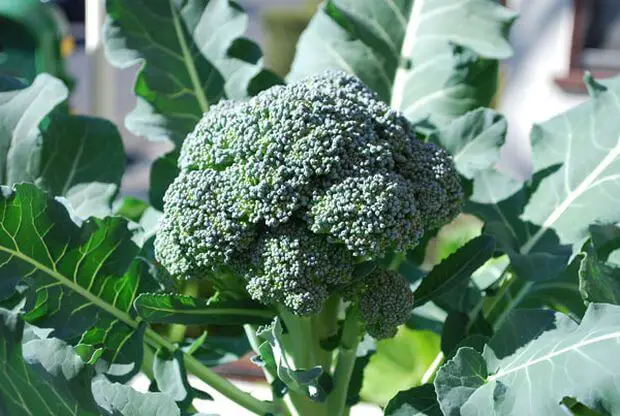
Harvesting broccoli at the right time is crucial to ensure optimal flavor and texture. Heads should be firm, compact, and dark green in color, with no yellowing or flowering. Harvest the main head when it reaches full size, cutting it 5-6 inches below the head with a sharp knife or scissors.
Side Shoots
After harvesting the main head, many broccoli varieties will continue to produce smaller side shoots, extending the harvest period. Keep plants well-watered and fertilized to encourage the development of side shoots, which can be harvested as they reach maturity.
Conclusion
Growing broccoli from seeds can be a rewarding experience, providing you with a bountiful supply of fresh, nutritious vegetables. By following the steps outlined in this guide and incorporating personal tips and experiences, you’ll be well-equipped to cultivate thriving broccoli plants in your garden. Enjoy the satisfaction of harvesting your own homegrown broccoli and savoring its delicious flavor in your favorite dishes.